As this unit is all about being a director, I thought it'd be a good idea for me to write a 'Director's Statement', so others can understand how I see the world and how I interpret stories.
DIRECTOR'S STATEMENT: JOSHUA JONES
"I take a great interest in the filmmaking process. Watching something go from being words on a page, to visuals on a screen, is wonderful. I believe that anyone can make a film, but only certain people know how to make a masterpiece. By mixing audio, visuals and storytelling, you can create a more powerful piece than by using just one art form on its own. I want to create films that represent my personality and the way I see the world, and to do this I try to use the camera to tell the story in a handheld, realistic and rough manner. I like to roll for as long as possible and keep the camera moving, following the action as it progresses. And over the years I've produced work that I feel represents my vision. But, without incredible directors like Steven Spielberg and J.J. Abrams, I wouldn't have a vision, because I wouldn't be making movies. I'm inspired by the work they have produced, and I'm driven by my passion for the industry. My hope is that this passion comes across on screen, and that when people see my work, they will understand my vision and how it represents my view of the world."
It's a pretty long statement, but I think it perfectly sums up my vision, and my inspiration, when it comes to making films.
Before I could begin filming my project I had to produce a call sheet for my cast and crew. On the call sheet I have also added a schedule so everyone involved, especially the crew, have an idea of when I plan to start and finish certain parts of the shoot. The schedule also helps my production drivers, because it shows them where to have to be and when they have to be there. Hopefully if all goes well, the day should work like clockwork.
The call sheet also contains a lot of important information that the cast and crew need to know like:
Everyone's contact information.
Where the nearest hospital is.
Directions to the locations.
I have now emailed these to my cast and crew, along with an updated copy of the script.
For this project, it is very important that I get the costume design right. Below I have listed my plans for costume design.
Walter White:
In my chosen scenes Walt has an overall dark theme. Both scenes are heavily linked to death and murder. At this point in the show, Walt is turning into a very sinister man; his character is doing things he'd never have done previously; and now Walt is at a dark point in his life. Walt's costume design, with the dark colours, perfectly embodies this. Here are some examples:
Black Shirt
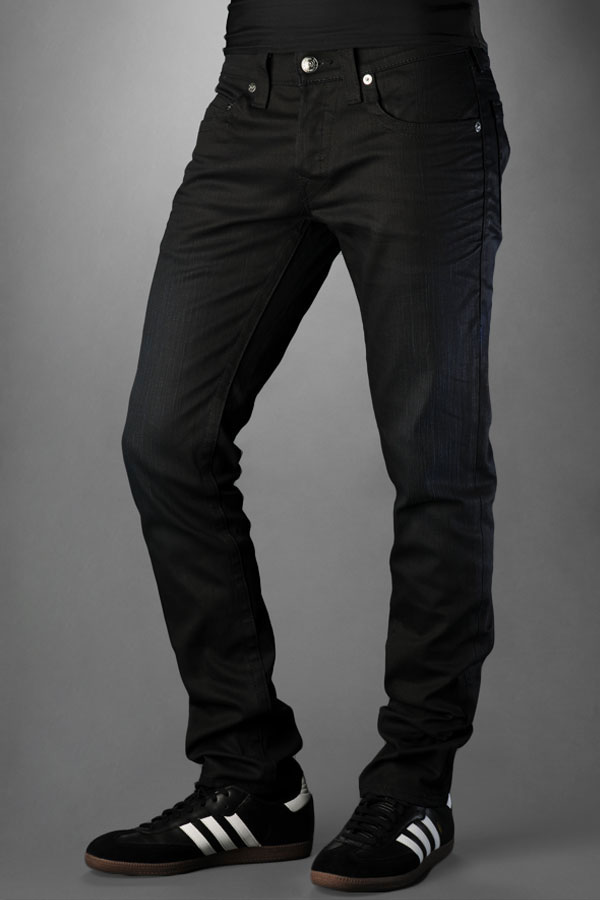
Black jeans
Black shell jacket
Black boot shoes
Gus Fring:
In my chosen scenes Gus is dressed in one of his many suits. His suit in this scene is grey. Grey is the colour between black and white, or the way I see it, Gus is the man in the middle of good and evil. On the good side, Gus runs a fast food chain and nobody suspects a thing. On the bad side, Gus is the head of a major drug operation and has murdered numerous people to stay at the top of the chain. Gus's costume design in this scene perfectly represents this. Here is an example:
Grey Suit
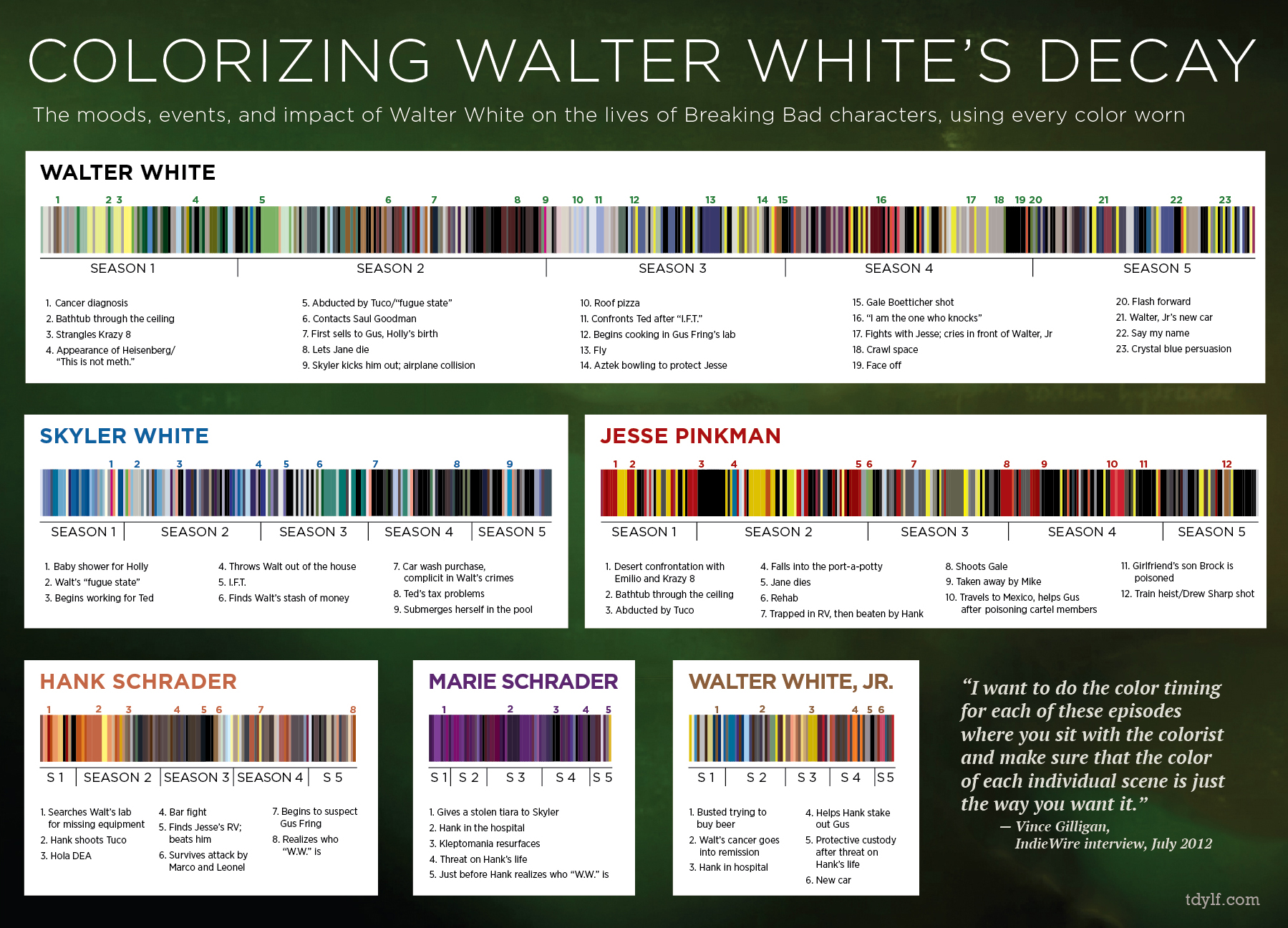
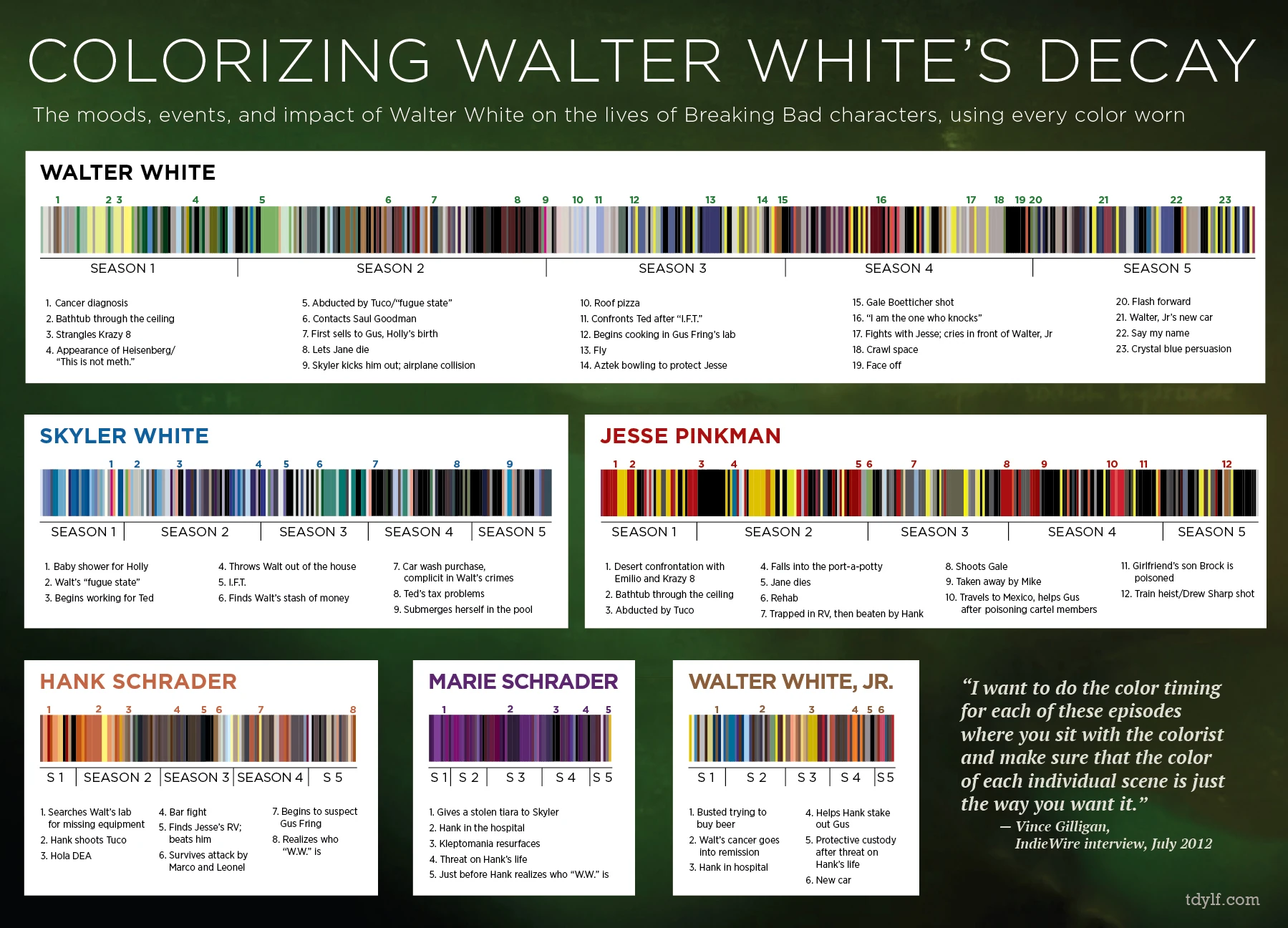
And finally, here is something I find quite interesting. It's a colour chart that documents the changes in colour schemes for each of the main characters throughout the run of the show. It shows you how important costume design is and shows you how each character's colour scheme represents how they were feeling at certain points throughout the story.
During its original run, Breaking Bad stood out because of it's great storylines, great characters and great visuals. These elements were very unique, especially the visuals. Breaking Bad had it's own style. When I redirect my scenes I need to keep it's unique style in mind, because even though I'm directing it, I still have to pay homage to the incredible work that directors like Vince Gilligan and Michelle MacLaren, and cinematographers like Michael Slovis (ASC) produced when they worked on Breaking Bad.
Michelle and Vince directed the episodes I have
taken my scenes from
Michael Slovis on set with Bryan Cranston
So what is the "Breaking Bad style"?
The "Breaking Bad style" is very unique to the show, and it's easily recognisable. It doesn't look like anything thing else on TV, and here are the reasons why:
The Handheld Look
Breaking Bad was shot almost entirely handheld. The camera was only every static, or on a dolly, or crane, if the story asked for it. Camera movement was motivated by the tense storylines. The handheld look put the audience into the show. We were always very close to the action, with the camera getting in the actors faces. This, mixed in with the directors allowing the actors to take the scene in the direction they saw fit, made the show feel very real and intense.
The show also tended to use a two camera setup, which allowed them to shoot multiple angles at once. This again helped the actors because they could go off script and develop the scene themselves without having to worry about staying in frame. There was always a least one camera on them.
Unusual Places
Breaking Bad loved placing the camera in unusual places. Sometimes they would put it under a surface or on the end of the gun. It was always somewhere that looked odd, somewhere you wouldn't think you would be able to place a camera. This is probably one of the most memorable trademarks of the show.
Placing the camera inside a barrel
Or on the end of a shovel
POV
Breaking Bad loved to use the characters points of view to help tell the story. They would show the character reacting to something and then cut to what they're seeing, a technique used a lot in film and TV. Somehow Breaking Bad did it differently. They used the technique very effectively to tell a story with the camera. Their version of a POV shot was usually from an angle that nobody could actually see something from, and this relates back to their tendency to put the camera in unusual places.
Extreme Long Shots/Wide Shots
Breaking Bad didn't care about sticking to the conventions. On many occasions they would use a wide shot where everyone else would use a close-up. They would tease the audience by taking them away from the action, but they did it so well that you would still know what was going on. And sometimes they'd take you away for a reason, because they wanted to hide something from you.
They'd also use wide shots and long shots to help establish the location of a scene. If you'd found an incredible location, like many of the ones in Breaking Bad, you'd want to show it off by taking the camera as far away as you possibly can.
In this wide shot from season 3, we were taken away from a murder taking place, yet because of sound, we knew it was happening.
Bird's Eye View
Sometimes they'd stick the camera on a big crane, or take it up a scissor lift, to put you above the action. If they did it, it was either to help you see the distance between characters; to show you things you couldn't see if you were on the ground; to show you how small a space is; or to make the characters on screen look small and powerless.
Use of bird's eye view in Breaking Bad
No Faces
When watching Breaking Bad, we often don't see the faces of the main characters. Vince Gilligan spoke about how everyone knows who they are and so we don't really need to see their faces. The show enjoyed putting characters in a silhouette or only slightly lighting characters faces. They tried to focus more on the emotion of the scene, not the emotion of the characters face. If they could tell a great story in a pitch-black room, they would.
In this scene, Walt's face is almost not lit at all because they
wanted you to focus on what he was doing
Sound
Breaking Bad uses a lot of natural sound. This adds to the very 'real' feel that the show has. It helps to build the world that these characters exist in. This therefore helps to pull the viewers into the world as well.
Breaking Bad uses music very well to build onto very tense and important scenes. The music used throughout the show's run perfectly complimented the bleakness the show posed. In a lot of cases they also complement the show's dark sense of humour. One of my favourite songs used in Breaking Bad is Out of Time Man by Mick Harvey. The song was used at the end of the pilot episode and it perfectly encapsulated the situation Walt was in. Music plays an important part in making Breaking Bad an incredible show.
Lighting/Colour
How the colour schemes of the characters changed throughout the run of the show
Breaking Bad also had a unique lighting and colour set up. Yellow and brown hues played a big part in the colour scheme of the show. When colouring the show, they liked to make colours that didn't exist. In the example below, Michael Slovis said they created golden, orangey, yellowy colours that didn't exist in real life. They wanted to approach each scene with an expressionistic view, and to achieve this it had to look different from everything else, hence why it was coloured in the way it was.
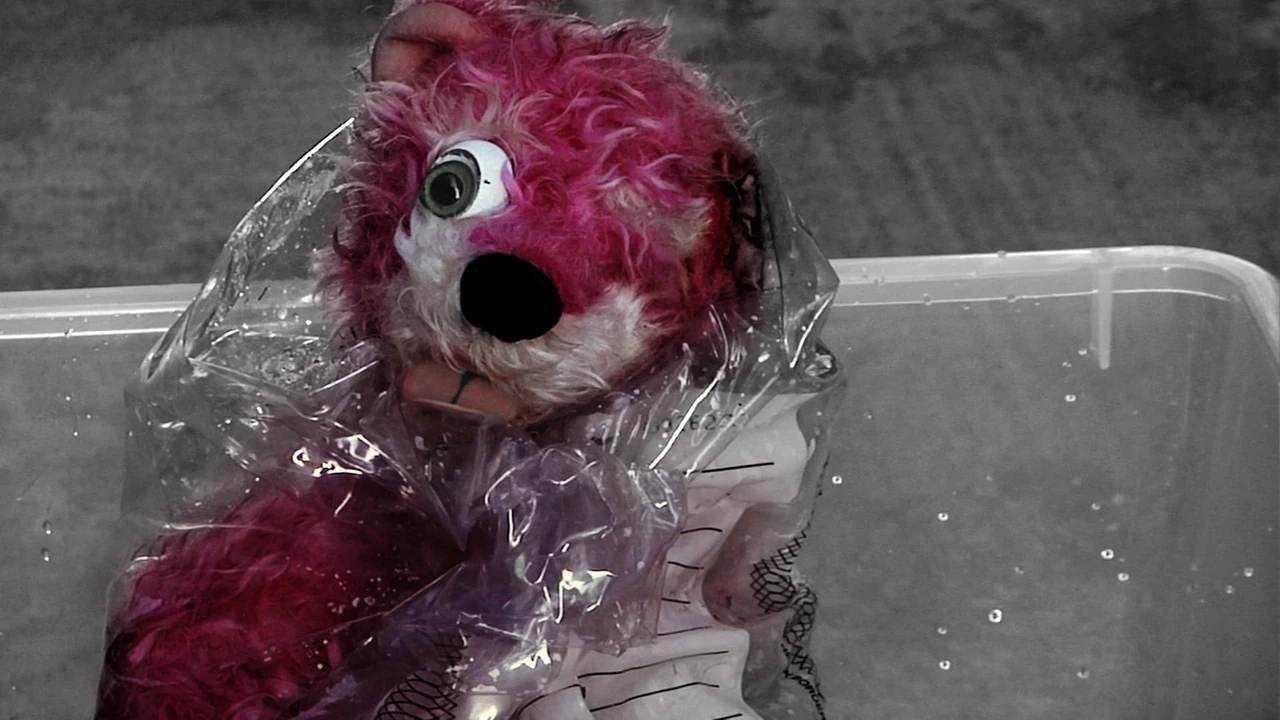
Colour was often used to show a change in time, or location. For example, in season 3 some scenes take place in Mexico. Michael chose to use a completely different palette of colour to show this change in location. Or during the second season, they used a lot of black and white during scenes that were supposed to show future events, events which that season was building up too.
In season two black and white was used to show future events. However, the famous "teddy bear" was kept in colour to highlight its significance.
In terms of lighting, the show always tried to be creative. They kept it as practical looking as possible whilst still keeping it unique. When building, or dressing sets, they would try and incorporate as much of the lighting set up as they could into the set. This allowed them to film where they saw fit, without having to worry too much about how their position affected the lighting. When shooting exteriors during the day, they tried to use the natural sunlight as much as possible, using only reflectors to help light the actors. Often the lighting was in contrast to the colour, especially in some interior scenes like the one below.
An example from season 4 of a contrasting lighting set up.
Now I have a completed the script writing process, I can begin to breakdown the script into sections to help with the pre-production process.
Scene 1- LOCATION/SETTING:
Inside Walt's Car/Outside Gus Fring's House.
Late Afternoon
CHARACTER(S):
Walter White
ACTION:
Walter arrives outside Gus Fring's house. He hides his gun, puts his hat on, and prepares to kill Gus. After exiting his car, he heads towards Gus's house. Moments before reaching the house he is stopped by his ringing phone. He answers it. It's Gus, who tells him to go home. Walt stands there, wondering what he did wrong.
THEME (LIGHTING/COLOUR/MOOD):
Sunsetting.
Lots of yellow.
Dark mood. Walt is preparing to kill someone.
Natural lighting.
Sun lights the road.
FRAMING:
Tight frame. Walter is trying to stay hidden so we stay close to him at all times.
Handheld.
Camera inside the car with Walt.
Camera follows Walt towards the house.
Told from Walt's perspective.
SOUND DESIGN:
Sounds of the breeze in the air.
Not much ambience. It's a quiet, empty street.
Natural sound.
Car engine. Seatbelt click. Car door. Phone ringing.
Maybe the slight sound of birds chirping away in the fields.
Tense music that builds as the scene builds.
COSTUME:
Walt is dressed in dark colours.
He is wearing a black jacket, black shirt, black trousers and black shoes.
He wants to blend into the shadows.
Black could also represent death.
PROPS:
Walt's glasses.
Gun.
Heisenberg hat.
Walt's phone.
QUESTIONS:
How does Gus know Walt is coming to kill him?
Why does Walter feel he has to wear the hat before killing Gus?
How does Walter feel after Gus stops him?
Why is Walter trying to kill Gus?
Why is Walter being very sneaky?
Scene 2- LOCATION/SETTING:
Industrial Site.
Day.
CHARACTERS:
Walter White
Gus Fring
ACTION:
Walter spies on Gus as he approaches a car rigged with explosives. Unfortunately, Gus foils Walter's plans by deciding not to get into the car. Walt fails to kill Gus for a second time.
THEME (LIGHTING/COLOUR/MOOD):
Natural lighting.
Sun lights the area.
Lots of grey. Concrete.
Hints of yellow.
Dark mood. Walt is trying to kill someone.
Lots of shadows.
FRAMING:
Many wide shots to show the distance between the two characters. Audience feel like they're spying with Walt.
Tight shots on Gus to show how tense the atmosphere around him is. Show how close he is too the car and, if he decides to get into the car, his death.
Handheld.
Camera follows Gus as he gets closer to the car.
Long shots of Gus. Audience feel like their looking through the binoculars.
SOUND DESIGN:
Tense music that builds as the scene builds.
City ambience.
Maybe some industrial noises.
Walkie talkie sound. Gus's footsteps on the concrete.
Planes flying. Helicopters flying.
Natural sound.
COSTUME:
Walt dressed in the same dark clothes as in Scene 1. Black jacket, black trousers, black shirt, black shoes. He is hiding. Black could also represent death.
Gus is wearing one of his many suits. Also quite dark (grey) to represent his sinister demeanor.
PROPS:
Gus's glasses.
Walt's glasses.
Walkie Talkie.
Binoculars.
Los Pollos Hermanos air freshener.
QUESTIONS:
Why is Walter trying to kill Gus?
How does Gus know that something is wrong?
How does Walter feel after Gus spoils his plans?
Why does Gus wait a while before suddenly leaving the site?
If Gus knows he is trying to kill him, why doesn't he kill Walt?
I will now use this script breakdown to start working on my shot lists and 'camera scripts'. I have already sorted out my costumes and props, so I don't need to worry about them. I will also think about how I can use my storytelling skills to answer the questions that the scenes leave behind.
As part of my research process for the directions unit I have chosen to look at The Walking Dead (2010). My main reasons for choosing it are because I am a fan of the show and it's style, and because it is produced by the same network (AMC) as Breaking Bad (2008).
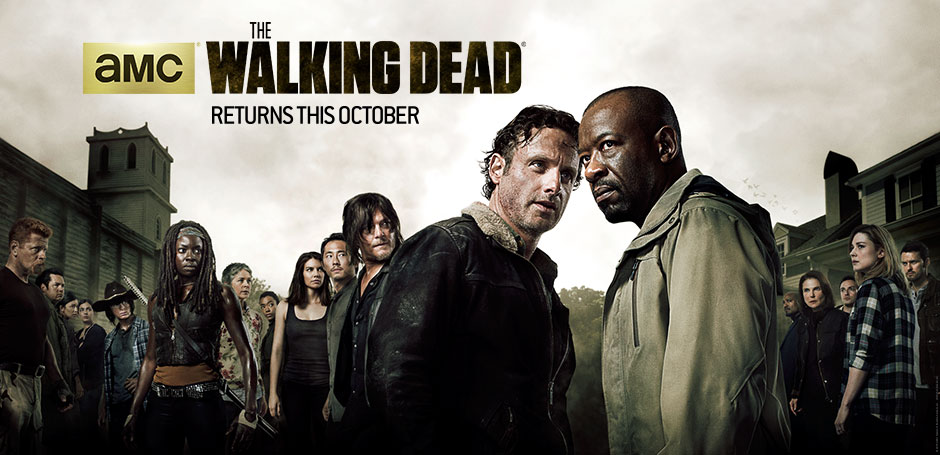
A poster for the current season of the show
A bit of background info...
The Walking Dead is an American horror drama tv series based on the comic book series of the same name. It follows a group of people who have to battle to survive in a post-apocalyptic world overrun with zombies. The main character, Rick Grimes, is played by British actor Andrew Lincoln. So far the show has run for six seasons, with the first season premiering in October 2010. The show was developed by Frank Darabont who based it on the comic book series created by Robert Kirkman, Tony Moore and Charlie Adlard.
Frank Darabont on set with the famous Dead Girl, the first 'walker' to be seen on The Walking Dead
Over the years the show has been directed by numerous directors. The season 1 premiere was directed by developer Frank Darabont. Recurring directors include Ernest R. Dickerson, Greg Nicotero, and Guy Ferland. Michelle MacLaren, who has directed many episodes of Breaking Bad, has also directed 3 episodes of The Walking Dead.
How does The Walking Dead influence me?
Similar to Breaking Bad, The Walking Dead has its own signature style. It's handheld and grainy style influences me because it's the kind of style I aim for with my own work. They're able to achieve this look by shooting on 16mm film. When testing cameras out, the team looked at shooting both digital and film, but eventually found that 16mm allowed them to achieve the grainy look that allowed the make-up effects to be most believable. Whilst shooting The Walking Dead, they tend to use a multi-camera setup (usually 2 or 3), because it allows them to capture something from many unique angles without having to keep running through a scene.
One DOP on The Walking Dead who likes using 3 cameras is David Boyd. He has directed numerous episodes over the years. He likes to use the third camera to tell the story in a different way to the other two cameras. He uses cameras A and B to capture the ordinary and compulsory medium shots, close ups and over the shoulder shots. He then uses camera C to capture something odd. He uses it to show what the characters are thinking, usually something that finds them looking or finding something in their hands. He says it's the key that opens the door to something deep that you don't get with the usual shots.
Another DOP on The Walking Dead is Michael Satrazemis. He likes to shoot long takes and allow the actors to explore a scene themselves. They don't have to stop when the director shouts "Cut!", instead they can continue if they think the scene could develop more. He doesn't like to cut too often, sometimes something can be done in just one take and look great.
This scene from S5E16 was shot in one full take. The camera was on a technocrane which followed her into the hole before pulling out to reveal her surroundings.
Behind the scenes look
In terms of lighting, The Walking Dead has always been very dark. The show uses shadows and light very well, and loves to use exteriors for night scenes, something most would steer away from because of low lighting.
So to answer the question, this is how The Walking Dead influences my work:
I am planning to shoot mostly handheld. This is a technique that The Walking Dead uses very well, however sometimes they do use many other techniques, like a dolly or a crane. Every time they stick the camera on a tripod, there is a good reason. So I will think about when I will and when I won't use a tripod. To tell a good story visually, I may need to keep the camera still and only move it if the movement is motivated by the story.
I will attempt to achieve the gritty and grainy look. It's a look I think will work very well in my scenes, especially Scene 2. If I can't achieve it in camera, I will play about with the footage a little to see what I can do.
As I have said before, I will consider shooting with two cameras because it can help save time and allow me to capture some more unusual angles that stray away from the usual conventions of TV drama.
I will think about shooting long takes that allow the actors to explore and develop the scene. I can then cut in different angles in the edit if I think they are required to build the scene.
And that's how The Walking Dead influences my work.